

Rotary Seals
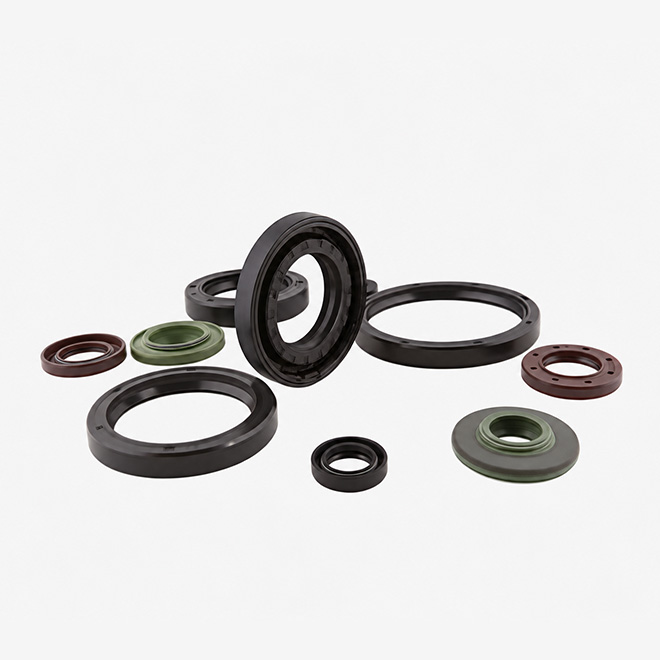
Rotary seals are used in applications where a shaft or rotating component must be sealed against oil, grease, water, or other operating media. Their function is to retain lubricants, reduce leakage, and protect rotating systems from contamination in continuously moving assemblies.
3D Seals offers the widest range of high quality standard Rotary Shaft Seals meeting varying DIN Standards, such as, DIN A, DIN AS, DIN B, DIN BS, DIN C and DIN CS. These come in a choice of materials, such as, NBR, FPM, EPDM& MVQ, for both, industrial and automobile applications
3D Seals also offers special Radiamatic Shaft Seals with Elastomers and fabric combinations, for use in high speed applications and higher eccentric loads, for use in steel mills, paper mills, and others.
NOTE: For large diameter and special applications, Split Design Rotary Shaft Seals are available on request.
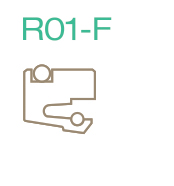
Rotary Seals Profiles





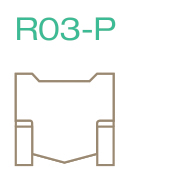
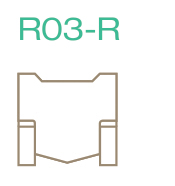


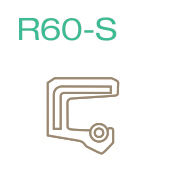
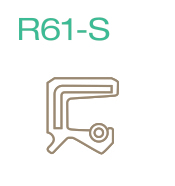
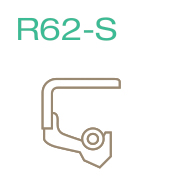
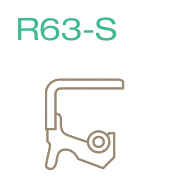
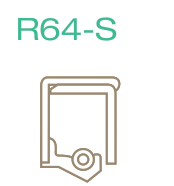

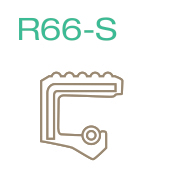
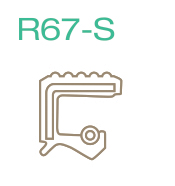
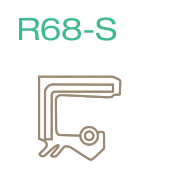

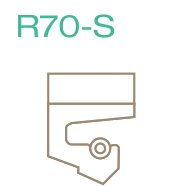
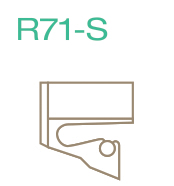
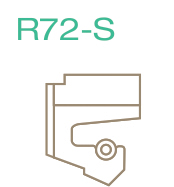
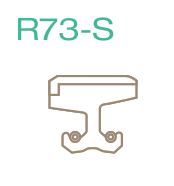

- Technical Specification
- Material Details
- Applications
| Parameter | Details |
|---|---|
| Types | Shaft seals, rotary lip seals, and swivel seals |
| Operating pressure | Up to 50 bar (design dependent) |
| Operating speed | Up to 25 m/s |
| Temperature | -50°C to +260°C (material dependent) |
| Parameter | Details |
|---|---|
| Elastomers | NBR, HNBR, FKM, EPDM |
| Thermoplastics | PTFE, filled PTFE, PEEK, POM |
| Metal Components | Carbon steel and stainless steel cases (where applicable) |
| Rotating shafts in industrial machinery. | |
| Gearboxes, pumps, and drive systems. | |
| Construction and mechanical engineering equipment. | |
| Agricultural machinery | |
| Systems operating with oil, grease, or water-based media. | |
| Hydraulic motors | |
| Swivel joints |
Related Products
-
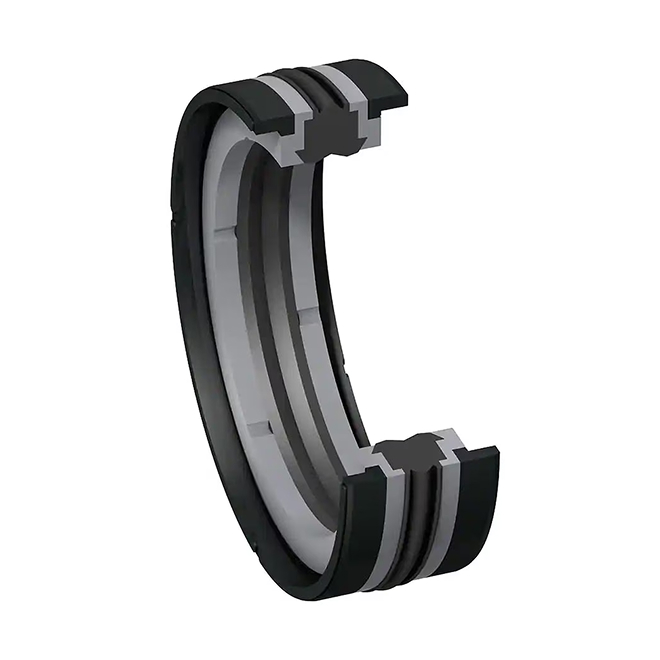
Piston Seals

Piston Seals
Piston seals are dynamic sealing elements used in hydraulic and pneumatic cylinders...
-
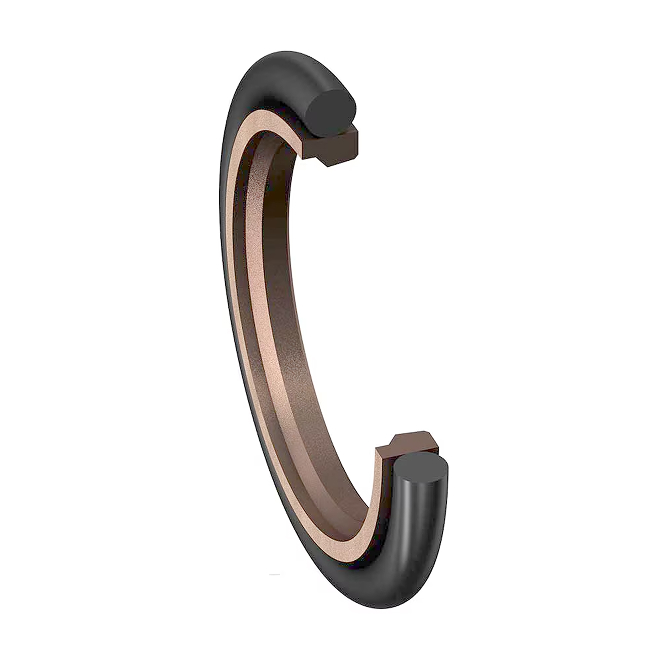
Rod Seals
Rod Seals
Rod seals are dynamic seals fitted in the gland or head area of a hydraulic....
-
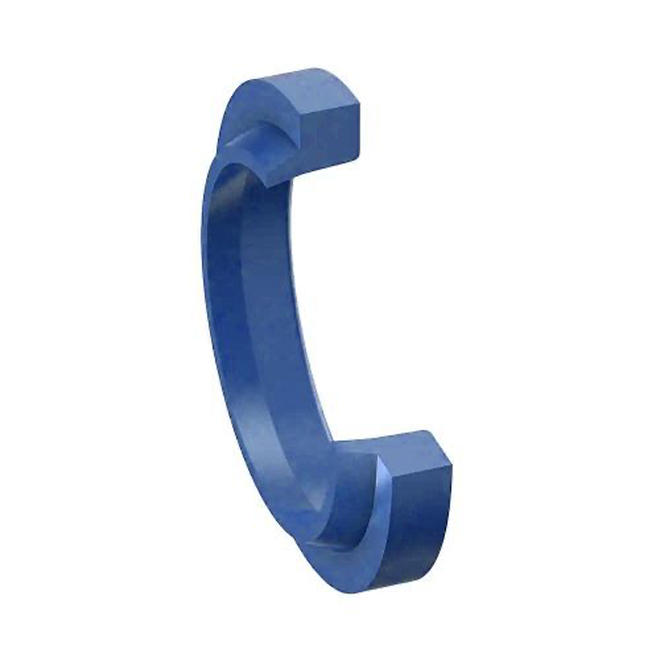
Wipers
Wipers
Wiper seals, also called scraper seals, are used to remove dirt, dust, moisture, an...
-
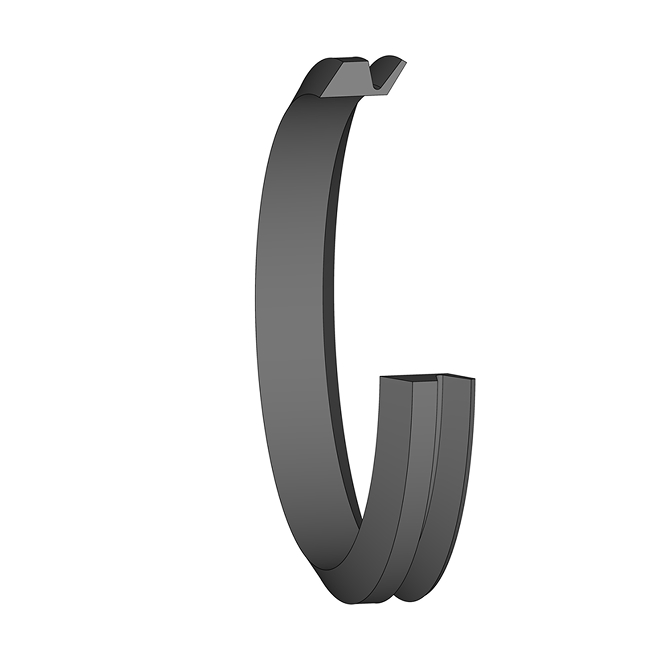
V-Ring and Other Rubber Parts
V-Ring and Other Rubber Parts
V rings are flexible rubber sealing elements commonly used on rotating shafts as au...
-
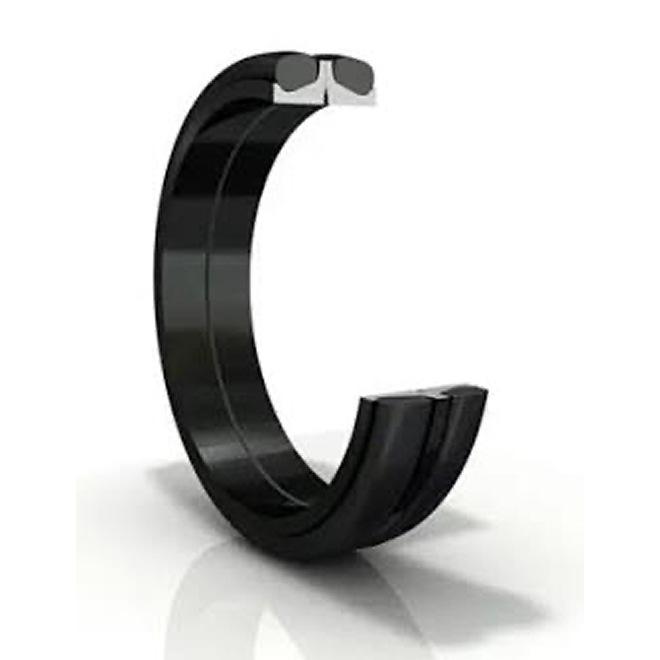
Mechanical Face Seals
Mechanical Face Seals
Mechanical face seals, also known as floating seals or duo cone seals in many....
-
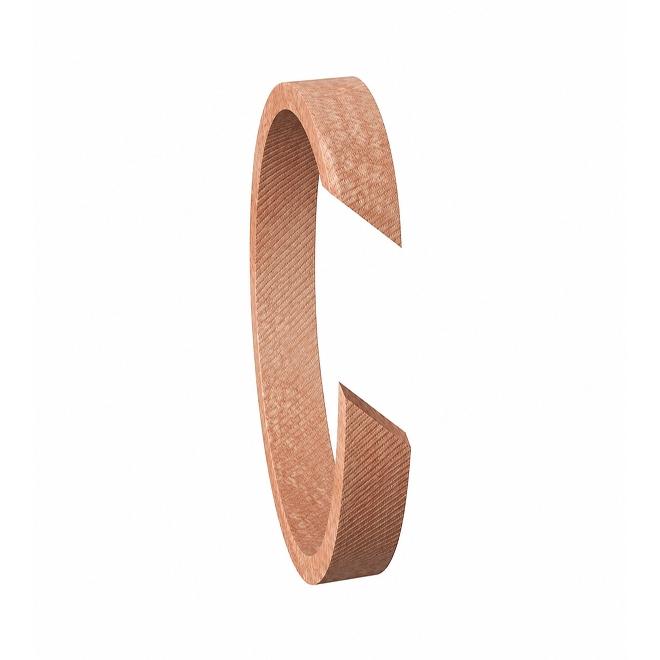
Guide Ring
Guide Ring
Guide rings, also known as wear rings or bearing rings, are used in hydraulic and.....
Frequently Asked Questions
A rotary seal is a seal used where a shaft or component rotates relative to its housing
It helps retain lubricant, prevent leakage, and block contaminants from entering the system.
They are commonly found in shafts, pumps, gearboxes, and rotating industrial equipment.
Selection depends on shaft speed, pressure, media, temperature, contamination, and housing design.
Material selection depends on operating speed, pressure, temperature, and media compatibility. NBR and FKM are commonly used, while PTFE is preferred for high-speed and low-friction applications.
Yes, selected designs and materials can operate at high rotational speeds.